
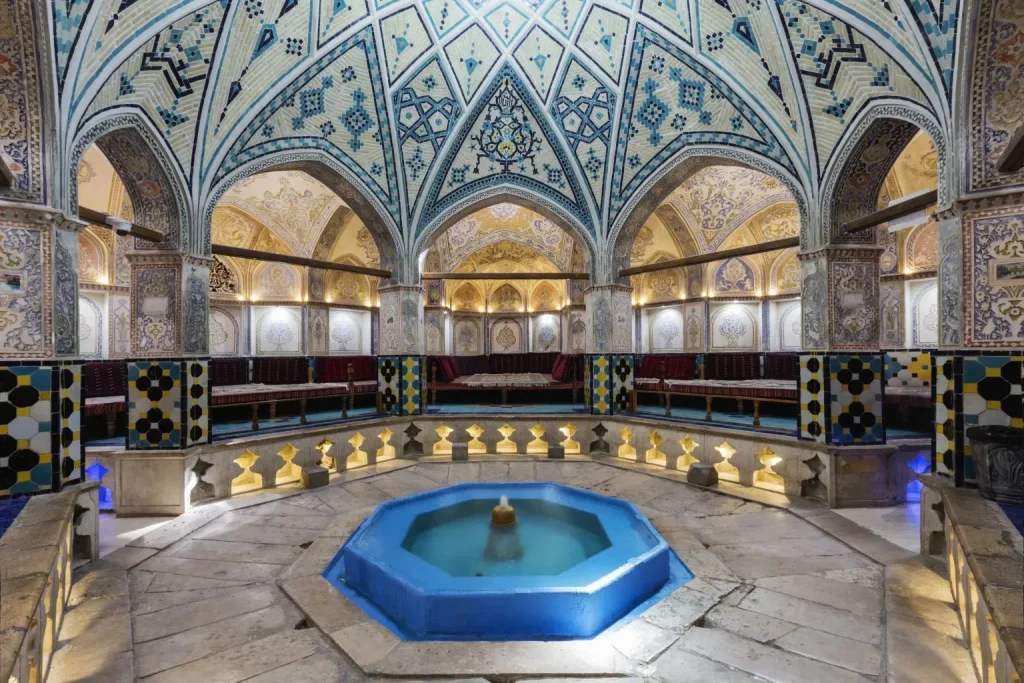
A turkish bath, a centuries-old tradition, blends cleansing, social exchange, and a deliberate progression through warm, humid spaces designed to relax the body and calm the mind. Rooted in turkish bath history, this ritual and its hammam rituals have evolved from Ottoman grand baths to the modern spa experience you can find in cities worldwide. In today’s quiet, inclusive settings, a well-designed modern hamam experience preserves the core sequence—preparation, heating rooms, exfoliation, soap massage, and a final rinse—while prioritizing comfort and accessibility. turkish bath benefits—such as improved circulation, skin health, stress relief, and muscle relaxation—are often highlighted by practitioners. hammam etiquette helps guests immerse fully in this timeless, sensory tradition.
As a living wellness tradition, this steam-and-massage journey traces its roots to Ottoman bathhouses and the broader hammam culture. Named differently—bathhouse ritual, steam spa, or hamam experience—this concept blends cleansing, exfoliation, and gentle touch into a modern spa journey. Practitioners emphasize respectful etiquette, privacy, and comfort, illustrating how a long-standing wellness practice adapts to contemporary, inclusive environments.
Understanding the Turkish Bath: A Timeless Hammam Experience
The Turkish bath, commonly called a hammam, is more than a steam room or spa ritual. It is a cultural tradition blending cleansing, social interaction, and a deliberate sequence of warm spaces designed to relax the body and soothe the mind. In a modern context, it unfolds as a guided journey through heat and humidity—an experience that mirrors the long arc of turkish bath history while fitting into contemporary wellness routines.
Historically rooted in hammam rituals, the practice emphasizes humidity and a measured progression from warmer to hotter rooms, followed by a refreshing rinse or massage. In today’s spa settings, attendants may guide exfoliation with a kese and apply fragrant soaps, linking the ancient ritual to the modern hamam experience and ensuring guests feel welcomed, cared for, and renewed.
turkish bath history: From Roman Roots to Ottoman Grandeur
turkish bath history traces cultural exchange from ancient bathhouses through the Roman and Byzantine periods to Ottoman grandeur. The evolution of this tradition reflects how wellness spaces traveled across the Mediterranean and beyond, absorbing local flavors while preserving a shared commitment to cleansing, sociability, and ceremony.
By the Ottoman era, hammams became architectural landmarks—marble interiors, domed ceilings, and heat gradients—that supported public life, weddings, religious holidays, and daily conversation. As hammams spread to the Balkans, North Africa, and Europe, each region added its texture while preserving the essential ritual core that defines a Turkish bath.
Hammam Rituals Unveiled: Steps, Techniques, and Meaningful Moments
Hammam rituals dominate the sensory arc of the experience: arrival and preparation, a warm room, exfoliation with a kese, soap massage, rinse, and moments of rest. These steps constitute the heart of the hammam rituals, inviting patience, breathing, and social connection within the steam.
These steps are the heartbeat of the hammam rituals, shaping the modern hamam experience and inviting visitors to slow down, breathe, and connect with others in a steam-filled social space. Etiquette—hammam etiquette—ensures privacy, respect, and shared comfort while the therapist or attendant guides the process.
The Modern Hamam Experience: Design, Accessibility, and Inclusivity
Today’s modern hamam experience blends age-old practice with contemporary design and accessibility. Historic bathhouses are renewed to offer private rooms, climate-controlled spaces, and clear guidelines that support a respectful, inclusive modern hamam experience.
From private rooms and gender-specific hours to aromatherapy add-ons and multilingual guidance, the modern hamam experience embraces inclusivity while honoring hammam etiquette in public spaces. The result is a welcoming environment where people from diverse backgrounds can enjoy the ritual with dignity and comfort.
Turkish Bath Benefits and Hammam Etiquette: Maximize Comfort and Respect
Turkish bath benefits go beyond skin cleansing, with regular hammam visits supporting circulation, detoxification through heat and humidity, and overall relaxation that enhances mental clarity. These benefits are often described in terms of the turkish bath benefits, highlighting how this ritual contributes to holistic well-being.
Pair exfoliation, massage, and hydration with mindful breathing and social connection, and you amplify the turkish bath benefits while upholding hammam etiquette and respect for others in the space. By following basic etiquette—such as hygiene, quiet conversation, and appropriate attire—you help create a soothing experience for every guest.
Frequently Asked Questions
What is the Turkish bath history and how does it inform hammam rituals in today’s spa settings?
The Turkish bath history traces roots from ancient bath cultures that evolved into the Ottoman hammam tradition, where architecture, heat, and social ritual shaped daily life. Hammam rituals developed into a clear sequence—cleansing, a progression through warm rooms, exfoliation with a kese, soap massage, and a rinse—that remains recognizable in modern spa environments. In today’s facilities, the core idea endures as a culturally rich, relaxing experience that blends cleansing, wellness, and hospitality.
What can I expect from hammam rituals in a modern hamam experience?
In a modern hamam experience, you typically begin with a cleansing routine and the use of a pestemal. A guided sequence follows: warm, humid rooms to open pores, exfoliation with a kese, soap massage, and a refreshing rinse, sometimes followed by oils or a massage. Facilities vary, but you’ll usually find privacy options, comfortable rooms, and attentive staff that respect tradition while emphasizing comfort and accessibility.
What are the Turkish bath benefits you can gain from regular visits?
Regular visits to the Turkish bath can improve skin health through exfoliation and hydration, support circulation in a humid, heat-rich environment, and contribute to stress relief and mental clarity. The massage and warmth help ease muscle tension and promote relaxation, while social aspects of the hammam can enhance well-being and a sense of community.
What is the proper hammam etiquette to follow in a Turkish bath to ensure a respectful experience?
Hammam etiquette includes wearing a pestemal or towel, showering before entering hot areas, and speaking softly to maintain a tranquil atmosphere. Be mindful of privacy and gender-specific hours where applicable, follow local guidelines for tipping and service, and avoid photography to protect others’ privacy. Respect local customs and hygiene practices to ensure a comfortable visit for everyone.
How has turkish bath history shaped the design and atmosphere of the modern hamam experience around the world?
Turkish bath history informs the architectural language of the modern hamam experience, with marble surfaces, domed ceilings, and layered heat gradients that evoke traditional spaces. Today’s hammams preserve the ritual choreography—entry, warmth, exfoliation, and massage—while prioritizing inclusivity, safety, and comfort. The result is a global spa culture that honors heritage while offering accessible, contemporary wellness experiences.
| Aspect | Key Points |
|---|---|
| What is a Turkish bath? | A hammam is a spa experience built on heated rooms, steam, cleansing rituals, and often massage; emphasizes humidity and a progression from warmer to hotter rooms, with a cleansing entry where guests wear a pestemal or robe. Attendants may guide guests through exfoliation with a kese and apply fragrant soaps, oils, and lotions. |
| Why the Turkish Bath Has Enduring Appeal | Beyond cleansing, hammams offer relaxation, stress relief, social connection, hospitality, and a pause in a busy day. Travelers often view the Turkish bath as a gateway to local culture and attentive personal care. |
| A Brief Look at Turkish Bath History | Originating from ancient bathhouse culture, hammams evolved through the Mediterranean and Middle East; during the Ottoman era they became symbolic urban spaces with grand marble rooms and heat gradients. They functioned as social hubs and ceremonial spaces, then spread to the Balkans, North Africa, and Europe, each adding local flavor while preserving the ritual core. |
| Rituals and Core Hammam Experience | A choreography of warmth, touch, and refreshment: arrival and preparation with pestemal; warm room (hararet-like); exfoliation with a kese; soap lather; rinse; relaxation and hydration; optional oils and massages. Practices vary by region and establishment. |
| Modern Hamam Experience | Today’s hammams appear in historic bathhouses, luxury hotels, and spa centers worldwide. The core ritual remains recognizable, but offerings vary; many include packages combining exfoliation, massage, steam, aromatherapy, or moisturizers, with emphasis on comfort, accessibility, privacy, and inclusive environments. |
| Benefits of a Turkish Bath | Skin health from exfoliation; improved circulation and detoxification from heat and humidity; stress relief and mental clarity from the ritual rhythm; muscle relief from heat and massage; social connection and a sense of hospitality. |
| Etiquette and Experience | Dress in pestemal and towel/robe as required; maintain good hygiene and respect fragrance guidelines; keep voices low and respectful; tipping where appropriate; photography restrictions; cultural sensitivity in different countries. |
| How to Choose a Turkish Bath Experience | Assess facility age/condition, private room availability, and hygienic standards. Consider hotel spas or guided rituals, read reviews, note gender-specific hours, and check for private vs. shared spaces to fit your comfort. |
| Incorporating Turkish Bath History Into a Modern Visit | Link the ritual to its Roman/Byzantine predecessors and Ottoman heritage; appreciate architecture—marble surfaces, domed ceilings, acoustics—that shape the experience. See your visit as part of a long continuum of cleansing, socializing, and renewal. |
Summary
A Turkish bath is a gateway into a tradition of presence, care, and community. Modern hammams blend ancient ritual with hospitality, offering a holistic wellness journey that nourishes skin, calms the nerves, and connects visitors to a living cultural heritage.