
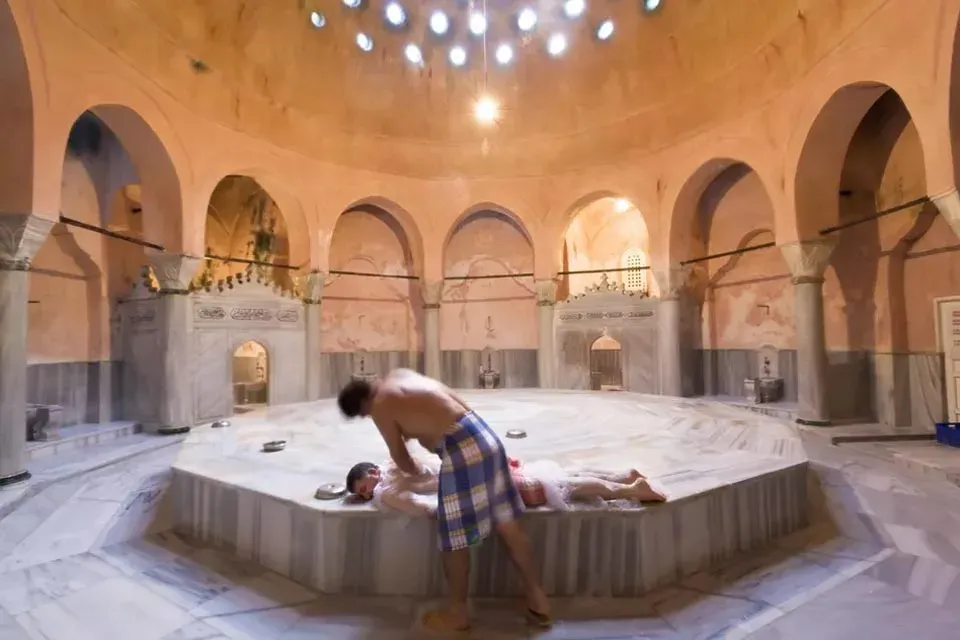
A timeless ritual of steam, warmth, and renewal invites you into a world of calm, quiet contemplation, and pleasant fragrance as you step through the doors. This hammam tradition blends relaxation with cleansing, exfoliation, aromatics, and a social rhythm that makes you feel part of a shared experience, with soft lighting and gentle background music enhancing the mood. Knowing what to wear in a Turkish bath and what to bring to a hammam helps you move through the process with ease, avoiding awkward adjustments and keeping you focused on the ritual. Smart planning, including the turkish bath packing list you’ll refer to in advance, keeps gear organized, minimizes clutter, and ensures you have towels, a clean wrap, and a comfortable change of clothes ready at hand. With respectful behavior and hammam etiquette, you’ll enjoy the cleansing warmth, the skin-softening exfoliation, and the meditative hush that accompanies each step, along with practical hammam experience tips.
Beyond the name many people associate with this tradition, the steam-and-cleanse practice is described as a hammam or bathhouse ritual, a cleansing ceremony that spans centuries. Participants move through a sequence of warm rooms where heat and humidity soften the skin before exfoliation and a thorough wash. From an LSI perspective, related terms include steam room routine, traditional bath, kese exfoliation, body wash, and spa etiquette, all pointing to the same restorative goal. The experience is as much about atmosphere and etiquette as it is about cleansing, pairing mindful movement with social interaction. If you’re exploring this cultural tradition for the first time, using these alternative terms can help you find diverse guides, tips, and insights that enrich your visit.
Preparing for Your First Turkish Bath: What to Wear and What to Bring
Entering a Turkish bath is easier when you plan your clothing and belongings in advance. Start by checking the facility’s policy—some baths allow swimsuits, others require wraps or towels inside the steam rooms. Knowing what to wear in a Turkish bath helps you feel modest, comfortable, and ready to relax.
A practical approach is to balance personal comfort with facility rules. Your Turkish bath experience hinges on having the right gear, from towels and wraps to quick-drying fabrics and a lightweight robe. In addition, consider essential items like a hair tie, a microfiber towel, and footwear that stays secure on damp floors to keep your visit smooth and stress-free. This is also a good moment to think about what to bring to a hammam to avoid last-minute scrambles.
Hammam Etiquette and Respect: A Guide to Smooth, Respectful Visits
Hammam etiquette starts with awareness of space and privacy. If the facility is gender-segregated, adhere to the designated areas and times; if it’s co-ed, follow staff directions about zones and privacy. Speaking softly and moving with consideration helps create a calm atmosphere where everyone can unwind.
Respect also extends to hygiene, tipping, and personal interaction. Shower before entering steam rooms if required, ask before services, and avoid photography to protect others’ privacy. Keeping jewelry minimal and communicating preferences about pressure or pace during exfoliation shows care for the shared ritual and for the attendants who facilitate it.
What to Pack: The Ultimate Turkish Bath Packing List for Comfort and Convenience
A well-rounded Turkish bath packing list keeps you comfortable from entry to exit. Pack towels (one large and one for drying), sandals or water shoes, and hair care items like a hair tie or headband. Some guests also bring a kese (exfoliating mitt) or scrub if the spa doesn’t provide one.
Include travel-sized personal products such as soap or body wash, shampoo and conditioner, and a small mesh bag for damp items. Hydration is essential, so carry a water bottle, and bring a lightweight robe if you want extra coverage between rooms. This practical approach aligns with the turkish bath packing list and helps ensure you’re prepared without overpacking.
The Hammam Experience: From Steam to Exfoliation and Beyond
The typical journey through the hammam begins with a warm welcome, followed by steam that opens pores and relaxes muscles. Acclimating to the heat at your own pace is key, so listen to your body and extend or shorten sessions as needed.
Exfoliation with a kese is a signature step, often performed with a gentle, rhythmic grip to lift dead skin and promote circulation. Afterward, attendants may rinse and wash with soap or cleansing fluids, with optional massages or masks available in some places. These hammam experience tips help you savor each stage while staying comfortable and respectful of the ritual.
First-Timer Tips: Navigating the Stages of a Turkish Bath with Confidence
If it’s your first visit, approach the experience with a plan: decide whether you’ll wear a swimsuit, wrap, or go with nothing where allowed, and communicate your preference to the staff. Hydration and pacing are crucial; take breaks as needed and avoid rushing through the sequence.
Clear communication about temperature, pressure, and pace makes the experience more enjoyable for you and the attendants. Remember to respect local customs and seek guidance if you’re unsure about a service. Aftercare, such as applying a light moisturizer, helps your skin recover, and a quiet moment to rest supports your body as you transition back to daily life.
Frequently Asked Questions
What to wear in a Turkish bath: how should you dress for the hammam experience?
Your choice depends on the facility’s policy and comfort level. In many traditional hammams, nudity is common in gender-specific spaces, while modern spas offer towels, wraps, or robes. For flexibility, bring a snug swimsuit, a lightweight wrap, or a microfiber towel; quick-drying fabrics help in steam rooms. Include a hair tie, flip-flops for grip, and minimal jewelry. When in doubt, ask staff about what to wear in a Turkish bath to align with hammam etiquette.
Hammam etiquette: what should I know about behavior in a Turkish bath?
Hammam etiquette in a Turkish bath emphasizes space, privacy, and courtesy. Follow gender-segregation rules if applicable, speak softly, and keep the environment peaceful. Shower before entering steam rooms if required, maintain hygiene, and be mindful of tipping norms. Photography is usually prohibited; ask staff before recording. If unsure about zones, observe others or ask.
What is on the Turkish bath packing list for a first visit?
A Turkish bath packing list should cover basics: towels (large and small), flip-flops, hair tie, soap or body wash, exfoliating glove (kese) if you want, shampoo and conditioner, a small water bottle, a plastic bag for damp items, and cash for tips. Some hammams provide cleansing agents, but bringing your own ensures comfort. If you expect a robe, bring a lightweight one.
What to bring to a hammam: essential items for your Turkish bath visit?
Essential items include towels, flip-flops, hair tie, soap or body wash, exfoliating glove, shampoo/conditioner, a small water bottle, and a lightweight robe if you want extra coverage. Pack a damp-item bag and cash for tipping. Check if the facility supplies toiletries or a kese to tailor your kit.
Hammam experience tips for a Turkish bath: how can I make the most of my session?
Hammam experience tips for a Turkish bath: arrive with a plan, acclimate to the heat gradually, stay hydrated, and pace yourself. Communicate preferences on pressure, temperature, and pace to attendants; during exfoliation and washing speak up if you need gentler handling. Hydrate after the session and rest briefly to help your body adjust back to normal temperature. Enjoy the steam, cleansing, and social rhythm of the hammam.
| Aspect | Key Points |
|---|---|
| What is a Turkish bath? | – Cultural tradition focusing on communal cleansing, mindfulness, and skincare; uses steam and a series of heated rooms with increasing warmth. Core elements: relax, steam, exfoliation, and a soothing wash. Variations exist by region; check facility policy for segregation or gender-neutral options. |
| What to wear (and why it matters) | – Attire depends on policy and comfort; nudity is common in traditional, gender-segregated spaces, while many spas provide towels/robes. Tips: check policy, choose quick-drying fabrics, snug swimwear or a lightweight wrap/towel, wear a hair tie, use practical footwear, keep jewelry simple, and consider a microfiber towel for modesty. |
| What to bring to a Turkish bath | – Towels (large & small), flip-flops, hair care items, soap/body wash, exfoliating glove (kese), shampoo/conditioner, water bottle, small bag for damp items, cash for tipping, and an optional lightweight robe. |
| What to expect during the ritual | – Arrival and orientation; steam/heat to acclimate; exfoliation with kese and soap; rinsing and washing; optional massage or masks; rinse, cool-down, and hydration between steps. |
| Hammam etiquette | – Respect space and gender policies; speak softly; practice hygiene; ask about tipping; photography is usually prohibited; be mindful of personal space and share benches gracefully. |
| Tips for first-timers | – Plan attire; hydrate; communicate preferences and pace; respect cultural nuances; plan for aftercare (moisturizer) and rest. |
| Aftercare | – Hydrate, moisturize, cleanse gently after exfoliation, and rest to recover from the heat. |
| FAQ (quick guide) | – Wear options depend on policy; tipping is common in many places; start with shorter steam sessions and gradually extend; policy on bringing family/friends varies by facility. |
Summary
Conclusion: Turkish bath is a timeless ritual where steam, warmth, and mindful cleansing invite you to slow down and reconnect with body and breath. As you prepare to experience a Turkish bath, understanding what to wear, what to bring, and what to expect helps you enter the hammam with confidence and respect for this ancient tradition. This descriptive journey highlights how attentive preparation enhances relaxation, skin care, and social connection, making a Turkish bath visit not just a treatment but a memorable cultural experience. With thoughtful packing, etiquette, and an open mindset, your Turkish bath experience can be rejuvenating, immersive, and deeply restorative.