
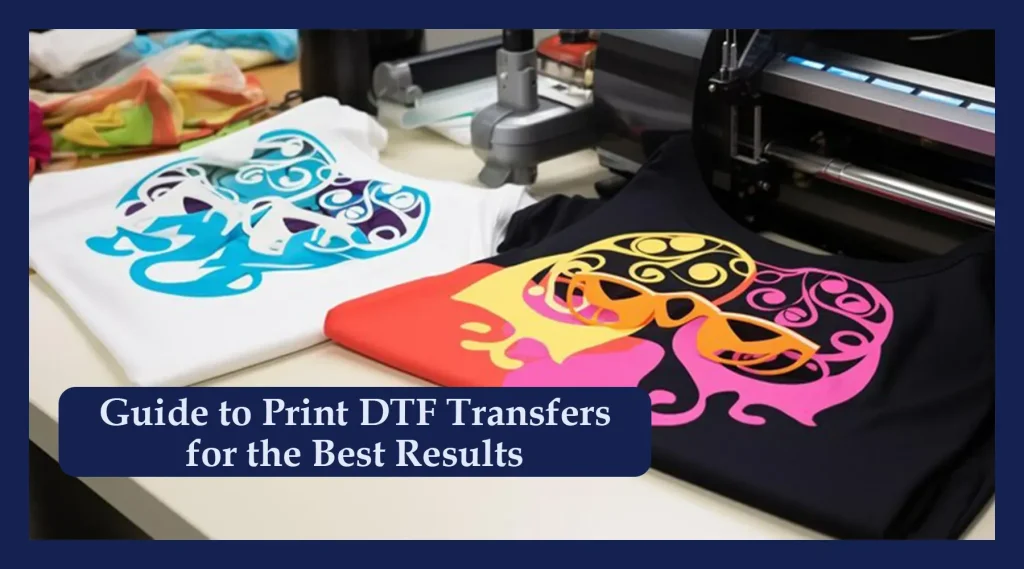
DTF transfers open up vibrant, durable design options for a wide range of fabrics. As a modern garment decoration method, DTF printing enables high-resolution imagery with a soft hand and strong adhesion. The workflow places the design on a film before it is applied to fabric, making the process flexible for different textures, blends, and garment colors, and allowing for efficient batch handling. This approach supports bold colors and detailed artwork while remaining compatible with a variety of garment types. For makers seeking practical solutions, the method offers straightforward setup, scalable output, and consistent results that can help shorten turnarounds.
From a language perspective, this technique is often described using alternative terms such as film-based transfer, digital-to-film workflow, or simply the direct-to-film approach, all signaling the same core idea of printing artwork onto a carrier film before final application. In practical terms, you print a full-color design on a PET film, apply a layer of adhesive powder, cure it, and then heat press the design onto the garment to create a durable bond that withstands washing and wear. LS I-friendly descriptions emphasize the method’s versatility and compatibility with a wide range of fabrics, while marketing materials highlight its ability to reproduce complex gradients and fine detail on both light and dark garments. When weighing options, many designers compare DTG vs DTF to evaluate strength, texture, and wash durability, noting that film-based approaches often offer strong adhesion on dark colors and easier multi-color handling than some direct-to-garment techniques. Framing the topic through related concepts—equipment choices, workflow steps, and intended use—helps readers decide if this approach aligns with their production goals and budget.
DTF Transfers Explained: What They Are, the Direct-to-Film Method, and Benefits
DTF transfers are a modern garment decoration option that prints designs onto a carrier film using water-based inks, followed by an adhesive powder and heat-press application to fabric.
This approach relies on the direct-to-film process, where the image is created on film first rather than directly on the fabric, enabling vibrant color, fine detail, and a soft hand across many fabric types.
Compared with traditional transfer methods, DTF transfers deliver strong adhesion, broad fabric compatibility, and efficient color handling, making them a versatile choice for both small runs and larger orders.
DTF Printing and the Direct-to-Film Workflow
DTF printing uses a dedicated printer to lay down color on a transparent PET film. The term direct-to-film highlights the crucial step of creating the design on film, which acts as a carrier before transfer to the garment.
Using DTF printing, designers can achieve detailed gradients and multicolor images without the color-separation demands of traditional screen printing, thanks to precise pigment deposition and film-based color management.
After printing, an adhesive powder is applied to the wet ink, cured, and stored until ready to transfer, enabling flexible production scheduling and batch handling.
DTF Transfer Process: From Design to Durable Garments
The transfer process begins with preparing the artwork and ensuring color accuracy and proper sizing for the target garment, then printing onto PET film with a DTF printer.
Next, the adhesive powder is distributed over the wet ink, the film is cured to fuse the powder, and the design is aligned on the garment for heat pressing with controlled temperature, time, and pressure.
After pressing, the carrier sheet is peeled away to reveal the design, and some workflows call for a cold or hot peel followed by a short post-press cooldown to maximize adhesion.
DTF vs DTG: Choosing the Right Technique for Your Fabrics and Finishes
DTF versus DTG: For certain fabrics and finishes, direct-to-film (DTF) offers advantages in color vibrancy, durability on dark fabrics, and multi-color handling compared with direct-to-garment (DTG) printing.
DTF transfers tend to have broader fabric compatibility, simpler setup for small runs, and strong performance on polyester blends, while DTG can excel on light cotton fabrics with photo-realistic imagery.
Mastering Heat Press Settings for Optimal DTF Transfers
Mastering heat press settings is essential for reliable DTF transfers. Typical guidance emphasizes consistent temperature, dwell time, and pressure to create a strong bond between the adhesive powder and fabric.
For a practical starting point, many operators test around 320-340°F (160-170°C) for about 12-15 seconds with medium to firm pressure, adjusting for fabric type and pre-treatment as needed.
After pressing, allow the print to cool and then peel the carrier film, followed by care guidance to preserve color, adhesion, and wash durability over time.
Frequently Asked Questions
What are DTF transfers and how does the DTF transfer process work?
DTF transfers are designs printed onto a transparent PET film using water-based inks, then coated with an adhesive powder and heat-cured before being applied to fabric. The DTF transfer process typically includes printing on film (DTF printing), applying and curing the adhesive powder, aligning the film on the garment, heat pressing to bond, and finally peeling away the carrier sheet. The result is a durable, flexible image that adheres to textiles via heat and pressure.
How does DTF printing differ from DTG, and when should you choose DTF transfers vs DTG printing?
DTF printing uses a film carrier and adhesive powder to create transfers, enabling vibrant multi-color designs on a wide range of fabrics, including many dark garments. DTG prints directly onto the garment itself, usually best on light fabrics with soft hand. Choose DTF transfers when you need versatility across fabrics, easier handling for dark shirts, or faster setup for small runs; choose DTG for highly detailed work on light fabrics. In both cases, the final image is applied with a heat press.
Which fabrics are best for DTF transfers, and are there limitations in the DTF transfer process?
DTF transfers work well on cotton, polyester, and blends, as well as many synthetic fabrics, on both dark and light garments. However, fabric fiber content, texture, and any pre-treatment can affect adhesion and color fidelity, so testing on typical fabrics is recommended to optimize results.
What equipment and costs are involved in DTF transfers, and how does it compare to other methods?
A DTF setup generally includes a DTF printer, PET film, adhesive powder, a curing unit, and a heat press. Ongoing costs include film and powder, plus maintenance. While the upfront investment is higher than some heat-press methods, per-unit costs can be favorable for small runs, and DTF offers scalability and versatility compared with DTG and screen printing for diverse garment types.
What common issues occur with DTF transfers and how can I troubleshoot the DTF transfer process?
Common issues include peeling or poor adhesion, edge cracking, color fading on dark fabrics, and ghosting. Troubleshoot by ensuring garments are clean, optimizing heat press temperature, pressure, and dwell time, confirming proper curing of the adhesive powder, using quality film and powder, and validating ink color management and profiles during DTF printing.
| Aspect},{ | ||
|---|---|---|
| What are DTF transfers? | Printed onto PET film with water-based inks, coated with adhesive powder, then heat-pressed onto fabrics. | Durable, flexible image; film acts as a carrier for the design. |
| DTF printing & direct-to-film process | Artwork is prepared, sent to a DTF printer, prints on transparent PET film; adhesive powder is applied and cured; transferred with heat & pressure; carrier sheet is peeled. | Enables highly detailed, multi-color designs without color separation screens. |
| Materials, fabrics & compatibility | Works on cotton, polyester, blends, and many synthetics; suitable for both dark and light fabrics; result depends on fabric type, fiber content, and pre-treatment. | Beginners often start with 100% cotton or blends; can later explore polyesters and blends for bolder color. |
| Transfer process: step-by-step | Prepare artwork; print on film; apply adhesive powder; cure; align and transfer; peel (cold or hot); post-curing as needed. | Emphasizes consistent temperature, pressure, and timing for strong adhesion and edge definition. |
| Pros | Vivid color and fine detail; versatile across fabrics; cost-effective for small runs; soft hand and durability. | Useful for complex, multi-color designs with quick turnarounds. |
| Cons | Workflow can be equipment- and maintenance-intensive; potential clouding on very dark fabrics if not cured properly; careful washing care is needed. | Requires ongoing consumables (film, powder, ink) and proper curing. |
| Care, durability, and washing | Wash inside-out in cold or warm water; dry on low heat or air dry; avoid ironing directly on the print. | With proper care, color and adhesion last across many washes; substrate quality and curing impact longevity. |
| Troubleshooting common issues | Peeling, cracking, fading, smudging; ensure clean garments, correct heat/pressure, and proper curing of powder. | Test workflows and adjust curing/adhesion parameters to resolve problems. |
| Cost considerations & scalability | Upfront investment in printer, film, powder, and heat press; per-unit cost reduces with volume; compare to DTG and screen printing. | DTF is advantageous for diverse garment types and fast multi-color runs. |
| Tips for best results | Calibrate printer and color profiles; use quality PET film and powder; maintain consistent heat/pressure; test on different fabrics; store pre-printed films properly. | Regular testing helps optimize color and adhesion across batches. |
Summary
DTF transfers offer a versatile, modern approach to garment decoration that blends digital printing capabilities with the reliability of film-based transfer systems. They enable bold, multi-color designs across a wide range of fabrics while delivering a soft hand and durable adhesion. By understanding the direct-to-film process, the preparation steps, and care guidelines, you can determine whether DTF transfers align with your design goals, production needs, and budget. As the garment customization landscape evolves, DTF transfers continue to expand what’s possible for designers seeking vibrant imagery and long-lasting results.