
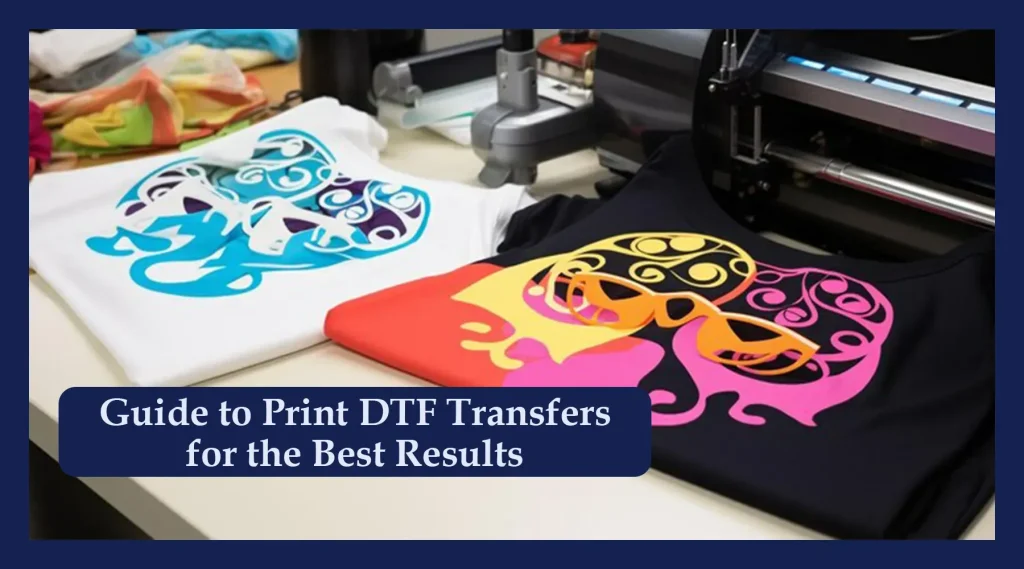
DTF transfers have quickly moved from a niche option to a mainstream choice for apparel brands and custom shops, reshaping how designers think about color saturation, fine detail, and durable performance across T-shirts, hoodies, and a wide range of fabrics. As brands compare DTF transfers to traditional methods, they weigh DTF vs traditional printing against screen printing, heat transfer vinyl, and DTG, considering setup time, color depth, fabric compatibility, and how quickly a design can reach market. This guide highlights Direct-to-Film printing advantages that matter to modern shops, such as fast digital-to-garment translation, full-color capability, and flexible production that scales from small runs to mid-sized campaigns. Beyond the basics, you’ll consider DTF transfer durability and DTF transfer cost, noting how adhesive quality, film thickness, curing, and care impact wash resistance, edge integrity, and total cost of goods. By the end, you’ll have a clear sense of whether DTF transfers align with your brand voice, calendar, and budget, helping you decide if a DTF-driven approach belongs in your next collection.
From a semantic perspective, the technique can be described as a film-based transfer or ink-on-film method that prints artwork onto a PET film and bonds it to fabric with an adhesive layer. Other terms you may encounter include film-to-fabric printing, direct-to-film workflow, and digital-on-film decoration, all pointing to the same end result: vibrant, durable imagery on garments. This labeling approach maps to related concepts such as garment decoration, short-run color printing, and on-demand apparel production, helping readers connect the dots between processes, fabrics, and outcomes. In practice, designers appreciate the predictability of on-demand film transfers, which enable fast iterations, consistent color reproduction, and less waste compared with multi-step traditional methods. Whether you think of it as a print-on-film solution or a flexible, adhesive-backed transfer, the core idea remains the same: quickly translate digital art into wearable products with strong wash performance.
DTF Transfers: A Modern Alternative to Traditional Printing for Apparel
DTF Transfers offer a contemporary route from digital design to wearable product, leveraging direct-to-film technology to print onto a PET film that is later heat-pressed onto fabrics. This approach enables vibrant color, fine lines, and complex gradients that can be challenging with traditional methods. By eliminating some of the bottlenecks of screen printing and HTV, DTF transfers support faster prototyping and easier design iteration, while maintaining a high visual impact on a range of fabrics.
For brands evaluating DTF vs traditional printing, the decision hinges on factors like setup, color complexity, and flexibility. DTF transfers reduce upfront screen costs and eliminate multi-pass layering, offering a streamlined workflow from digital artwork to a ready-to-wear piece. When you consider the broader picture—brand vision, scale, and distribution speed—DTF transfers emerge as a viable option for on-demand production and diverse product assortments.
Direct-to-Film Printing Advantages for Small Runs and Fast Turnarounds
Direct-to-Film printing advantages lie in the ability to produce full-color, high-detail designs without the extensive setup associated with screen-printing. The digital nature of DTF means you can print an entire design as a single transfer, reducing lead times for samples and limited runs. This is especially valuable for brands testing new artwork or maintaining an agile product pipeline.
In practice, DTF transfers enable rapid iteration across multiple fabrics and colorways. The versatility across garment types—cotton, blends, and select synthetics—paired with the potential for on-demand production helps minimize inventory risk. For businesses focused on speed to market, DTF transfer technology supports quicker design validation and faster market entry.
DTF vs Traditional Printing: Core Differences and When to Choose Each
Understanding the core differences between DTF vs traditional printing helps brands pick the right method for each project. Traditional screen printing excels in high-volume runs with cost efficiency per unit, but it requires screens for each color and can incur longer setup times. DTF transfers, by contrast, shine in multi-color designs with gradients and photographic elements, offering a more flexible and scalable workflow for smaller batches.
Softness, durability, and care considerations also differ. DTF transfers can feel lighter and more flexible on the fabric when applied correctly, while well-executed screen prints can deliver exceptional durability on basic cotton. Each method has trade-offs in terms of cost per unit, color fidelity, and shielding from wear, so many brands adopt a hybrid approach—leveraging DTF for intricate art and screen printing for high-volume basics.
Maximizing Durability and Care for DTF Transfers
DTF transfer durability hinges on fabric compatibility, adhesive quality, and proper curing. Natural fibers like cotton tend to provide robust adhesion, while blends and synthetics require precise heat and pressure settings to prevent edge lifting or delamination. Conducting wash tests on representative samples helps validate colorfastness and adhesion across your target garment range.
To protect longevity, follow best practices such as correct pre-press times, appropriate temperature and press duration, and post-press cooling. Washing instructions—turning garments inside out, using cooler water, and limiting aggressive dryer cycles—also play a critical role in preserving the print. With careful process control, DTF transfers can deliver durable results that hold up across multiple washes.
Cost, ROI, and Brand Flexibility with DTF Transfers
DTF transfer cost considerations include materials (PET film, ink, adhesive), equipment, and maintenance. While the upfront investment for a DTF setup is notable, the per-unit cost often remains favorable for diverse artwork and smaller runs when compared to screen printing’s fixed setup costs. Labor efficiency and faster turnarounds can also shorten the product development cycle and improve overall ROI.
Beyond raw cost, DTF transfers unlock strategic value through branding and design flexibility. Full-color capability, photorealistic imagery, and easy on-demand customization enable brands to offer more SKUs, test new designs quickly, and tailor products for limited editions or client-specific requests. When evaluating cost alongside speed, flexibility, and market responsiveness, DTF transfers frequently provide a compelling balance that supports agile branding and commercial growth.
Frequently Asked Questions
What are DTF transfers, and how do they compare to traditional printing?
DTF transfers refer to Direct-to-Film printing, where artwork is printed onto a PET film with CMYK plus white, then heat-pressed onto fabric with an adhesive. Compared with traditional printing methods such as screen printing, HTV, or DTG, DTF transfers offer full-color capability without multiple screens, faster setup for small runs, and strong color reproduction. They typically deliver vivid gradients and detailed artwork with a soft, flexible feel when applied correctly. Durability and wash performance depend on fabric type, adhesive quality, and proper curing.
What are the Direct-to-Film printing advantages for apparel brands?
Direct-to-Film printing advantages include full-color capability, strong image detail, and versatile fabrics; it supports small runs with quick turnaround, enables easy design changes, and reduces setup complexity for brands testing multiple designs.
How durable are DTF transfers, and how should I care for them?
DTF transfer durability is strong when the adhesive, film, and curing process are correctly matched to the fabric. With proper pre-press, accurate heat and time, and washing guidelines (inside-out, cold to warm water), DTF transfers can withstand regular wear and multiple washes. However, durability varies by fabric type and production quality, so performing wash tests on representative samples is recommended.
What factors influence the DTF transfer cost and ROI?
DTF transfer cost is influenced by materials (PET film, ink, adhesive), equipment and maintenance, and labor. While the upfront investment can be higher than a single screen print setup, per-unit costs often improve with volume, and shorter lead times can reduce development costs. For ROI, consider total value: flexibility, faster sampling, and on-demand production, not just unit price.
When is DTF transfer the right choice compared to screen printing or HTV?
When comparing DTF vs traditional printing, DTF transfers shine for small-to-medium runs, highly detailed or multi-color artwork, and fast iteration cycles. They also work across a wider range of fabrics. For ultra-high-volume orders on simple fonts or few colors, traditional screen printing may offer lower per-unit costs. A blended approach—DTF for select designs and screen printing for others—can optimize cost and quality.
| Aspect | Key Points |
|---|---|
| What are DTF Transfers? | Direct-to-Film printing uses ink on a PET film with white and CMYK layers, then heat-pressed onto fabric; provides a quick path from digital design to wearable product and supports vibrant color and fine detail. |
| DTF vs Traditional Printing | Core differences include setup and scalability, color/detail, softness, durability, and cost per unit—DTF reduces setup for small runs and excels with complex designs. |
| Direct-to-Film Printing Advantages | Full-color capability, design flexibility for small runs, quick turnaround, versatility across fabrics, and easy rework without retooling. |
| DTF Transfer Durability & Care | Durability depends on fabric compatibility, adhesive quality, post-press care, and wash practices; test on representative samples. |
| DTF Transfer Cost & ROI | Materials, equipment, labor, waste reduction, and ROI modeling; per-unit cost varies with quantity; value includes speed and flexibility. |
| Branding & Design Flexibility | Detailed logos and artwork, strong color fidelity, multi-color layering without screens, and on-demand customization for seasonal drops. |
| When to Choose DTF | Best for small–medium runs, vibrant, intricate artwork, and rapid iteration across diverse fabrics; consider hybrid strategies for cost/quality. |
| Limitations & Best Practices | White underbase challenges, edge handling, fabric prep, pre-press and curing, and proper storage. |
| Case Examples & Industry Insights | DTF enables faster design-to-product, consistent color across fabrics, and can be combined with traditional methods for large catalogs. |
Summary
DTF Transfers offer a compelling blend of color-rich capabilities, design flexibility, and a practical cost structure that can align well with many brand strategies. When you compare DTF vs traditional printing, you’ll often find DTF provides quicker turnarounds, stronger suitability for intricate artwork, and a scalable path for on-demand or limited-edition runs. By understanding Direct-to-Film printing advantages and considering factors like durability, care, and cost, you can make an informed choice that supports your brand goals.
If your brand emphasizes vibrant artwork, rapid experimentation, and adaptable production across fabrics, DTF transfers can be a strong fit. Always start with a small batch to validate wash performance and color fidelity, and use those results to guide broader production decisions. The right approach—whether DTF transfers or a hybrid strategy involving traditional methods—will help you deliver high-quality apparel that resonates with your audience while managing costs and timelines effectively.