
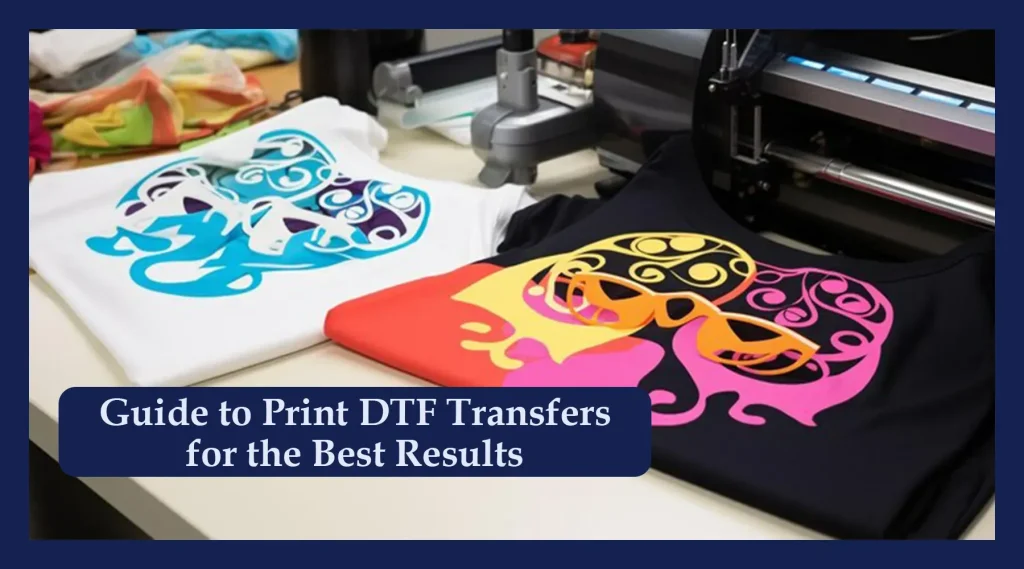
DTF Transfers have emerged as a flexible, high-quality option for garment decoration and custom textile projects. Understanding direct-to-film printing and how DTF printing works can unlock vibrant colors and durable images across a range of fabrics. This introductory guide highlights how to choose DTF transfer paper, optimize color fidelity, and apply practical DTF design tips for best results. By detailing the steps from design preparation to curing and post-press care, you’ll learn how to achieve professional results on polos, hoodies, tees, and more. Whether you’re new to DTF printing on fabrics or refining an existing workflow, these insights help you deliver vibrant, long-lasting transfers.
From a terminology perspective, the same technique is often described as a direct-to-film printing workflow or a film-based transfer method. This film-based transfer technique uses a PET film, white ink for underbase, and an adhesive powder, followed by heat and pressure to bond the design to fabric. Viewed through an LSI lens, related concepts include film print processes, transfer papers, color management strategies, and substrate compatibility that all support consistent results. Essential components include the film, ink, powder, and a calibrated heat press, along with software for color seps and workflow optimization. This approach enables on-demand customization for T-shirts, hoodies, bags, and other textiles while guiding care and finishing decisions.
DTF Transfers: What They Are and Why They Matter
DTF Transfers refer to designs printed onto a special PET film using water-based CMYK inks, often with white ink for opaque surfaces. This term describes a direct-to-film printing approach that delivers vibrant color, excellent detail, and a durable image that can be transferred to a wide range of textiles.
The finished design is then coated with an adhesive powder, cured, and heat-transferred to fabric. Because this relies on direct-to-film printing, it offers strong color fidelity and versatility across cotton, blends, poly blends, and even some performance fabrics, making it a flexible option for garment decoration and custom textile projects.
How Direct-to-Film Printing Works: From Design to Finished Transfer
Direct-to-Film Printing works by translating your digital artwork into ink on film: design at high resolution (typically 300 DPI or more), plan a white underbase for dark fabrics, and prepare color separations suitable for a multi-color transfer. This setup aligns with the capabilities of direct-to-film printing to maximize vibrancy and detail.
During production, the artwork is printed onto a PET DTF film with a specialized ink system. After printing, a hot-melt adhesive powder is applied, the film is cured, and the design is transferred to fabric with heat and pressure. The result is a durable, color-rich print suitable for a wide range of fabrics and applications.
DTF Transfer Paper vs DTF Film: Choosing the Right Substrate for Your Project
DTF film vs DTF transfer paper each offer distinct advantages. DTF film provides a smoother surface for ink deposition, crisper details, and better color separation, while DTF transfer paper can offer a lower entry cost for small runs.
If you’re starting out, test both options on your target fabrics to determine which delivers the best balance of color, softness, and durability. Always verify compatibility with your printer, inks, and curing equipment to avoid unexpected results.
Optimizing DTF Printing on Fabrics: Design Tips and Process Tweaks
Optimizing DTF printing on fabrics starts with design choices and print settings. DTF design tips include planning a white underbase for dark fabrics, using proper color management, and targeting a resolution of 300–360 DPI to preserve detail on film.
Additional tips cover layering order, avoiding overly dense ink areas, and running test swatches on your fabric. Consider substrate variability and adjust heat, pressure, and dwell time to achieve consistent results across different garments.
Caring for and Troubleshooting DTF Transfers: Durability, Wash Guidelines, and Common Issues
With proper curing and heat transfer, DTF transfers can withstand many washes. Use a stable heat press, follow recommended temperatures and dwell times, and wash garments inside out with mild detergents to maximize longevity.
Common issues like color fading, powder adhesion problems, or halos can be addressed by revisiting curing steps, verifying edge handling during design separation, and performing routine troubleshooting. Regular swatch testing and accurate color profiling help prevent problems before production.
Frequently Asked Questions
DTF Transfers explained: How does direct-to-film printing work for apparel and textiles?
DTF Transfers involve printing your design onto a PET film using a white ink underbase on dark fabrics, then applying an adhesive powder and curing before heat-pressing onto fabric. The result is a durable, full-color transfer created via direct-to-film printing. This workflow—design, print on film, powder, cure, and transfer—gives vibrant results across cotton, blends, and poly fabrics.
DTF Transfers vs DTF transfer paper: which option yields better results for DTF printing on fabrics?
DTF film usually provides crisper details and more consistent color separation in direct-to-film printing, making DTF transfers ideal for high-resolution artwork. DTF transfer paper can be more affordable for small runs, but results can vary with ink quality and fabric type. Testing on your target fabrics is recommended to choose the best option for your project.
What fabrics are best for DTF printing on fabrics with DTF Transfers?
DTF transfers perform best on cotton, cotton blends, and poly blends that tolerate heat; avoid fabrics with low heat resistance or high stretch that can distort prints. Always test a sample on the specific fabric to verify adhesion, hand feel, and wash durability.
DTF design tips for successful direct-to-film printing: what should designers know?
Follow DTF design tips such as planning a white underbase for dark fabrics, working at 300–360 DPI, and using color management to control ink usage while preserving vibrancy. Ensure clean separations, consider bleed areas, and plan layer order to optimize the transfer.
Care and maintenance for DTF Transfers: how to wash and preserve DTF printing on fabrics?
Care guides for DTF transfers recommend curing the print per manufacturer guidance and washing inside-out with a mild detergent. Dry on low heat or air dry to preserve color and adhesion, and avoid harsh chemicals or high heat that can degrade the print.
| Aspect | Key Points |
|---|---|
| What is DTF Transfers & Direct-to-Film Printing | DTF transfers print designs onto a PET film using water-based CMYK inks with white ink for dark fabrics; printed film is coated with adhesive powder and heat-pressed onto fabric for a vibrant, durable image that works on cotton, blends, and some performance fabrics. |
| How DTF Printing Works (Overview) | Design notes (300 DPI or higher; plan white underbase for dark fabrics); print on DTF film (white ink first on dark substrates); apply adhesive powder; cure; transfer with heat; optional post-press to finish. |
| Materials & Equipment | DTF printer with CMYK + white inks, DTF film, hot-melt adhesive powder, heat press or curing equipment, curing jigs or conveyors, and color-management software. |
| DTF Transfer Paper vs Film | DTF film yields crisper details and better color separation; transfer paper can be cheaper and accessible for beginners but results vary; testing on target fabrics is recommended. |
| Design Considerations | White underbase planning for dark fabrics; manage color with ICC profiles; aim for 300–360 DPI; consider substrate compatibility, layering, and transparency in artwork. |
| Practical Tips | Test swatches; ensure uniform powder application; calibrate curing time/temperature; balance heat and pressure; provide clear care guidance to end users. |
| DTF vs Other Techniques (Pros/Cons) | Pros: strong color fidelity, full-color, versatile across fabrics, cost-effective for small runs. Cons: higher equipment/maintenance, requires proper workflow to avoid powder or adhesion issues. |
| Durability & Care | Proper curing and heat-pressing improve wash durability; wash inside-out with mild detergent; avoid high-heat tumble drying; protect prints with proper heat settings. |
| Troubleshooting | Common issues: color mismatch, powder adhesion problems, cracking or halos. Fixes: verify color profiles/underbase, calibrate powder, adjust cure/press time, refine edge handling. |
| Applications | DTF transfers suit apparel (tees, hoodies) and accessories like bags; compatible with fabrics and some non-fabrics when heat transfer compatible. |
| FAQ Highlights | White ink is essential for dark fabrics; DTF generally offers versatile results across fabrics; longevity depends on curing, fabric, and care. |